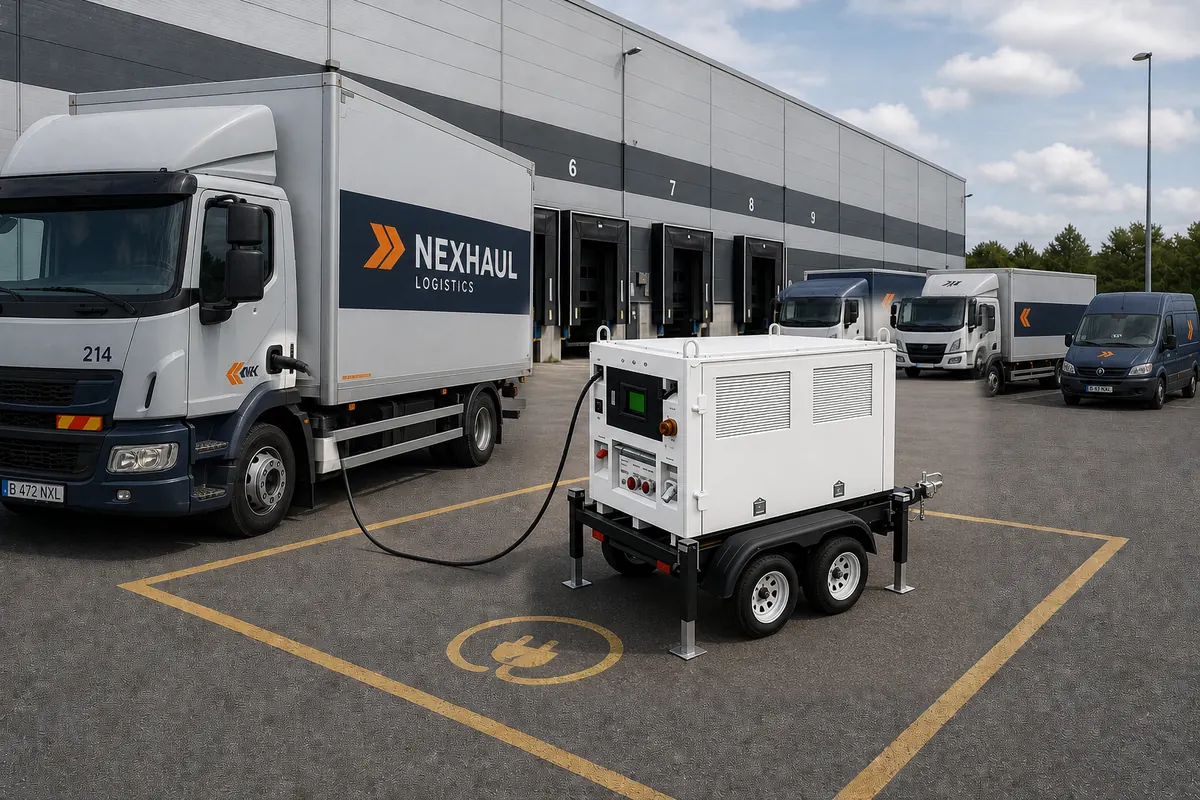
Fleet & Logistics
Add temporary or relocatable DC charging capacity while fleet demand, routes and depot power continue to change.
Phased deploymentMulti-vehicleOCPP-ready hardware
View Fleet & Logistics solution Match battery capacity, DC output, connector and deployment format to the vehicle duty cycle and site constraints.

Each page connects a real operating problem with suitable product configurations, planning data and the questions required for engineering review.
Add temporary or relocatable DC charging capacity while fleet demand, routes and depot power continue to change.
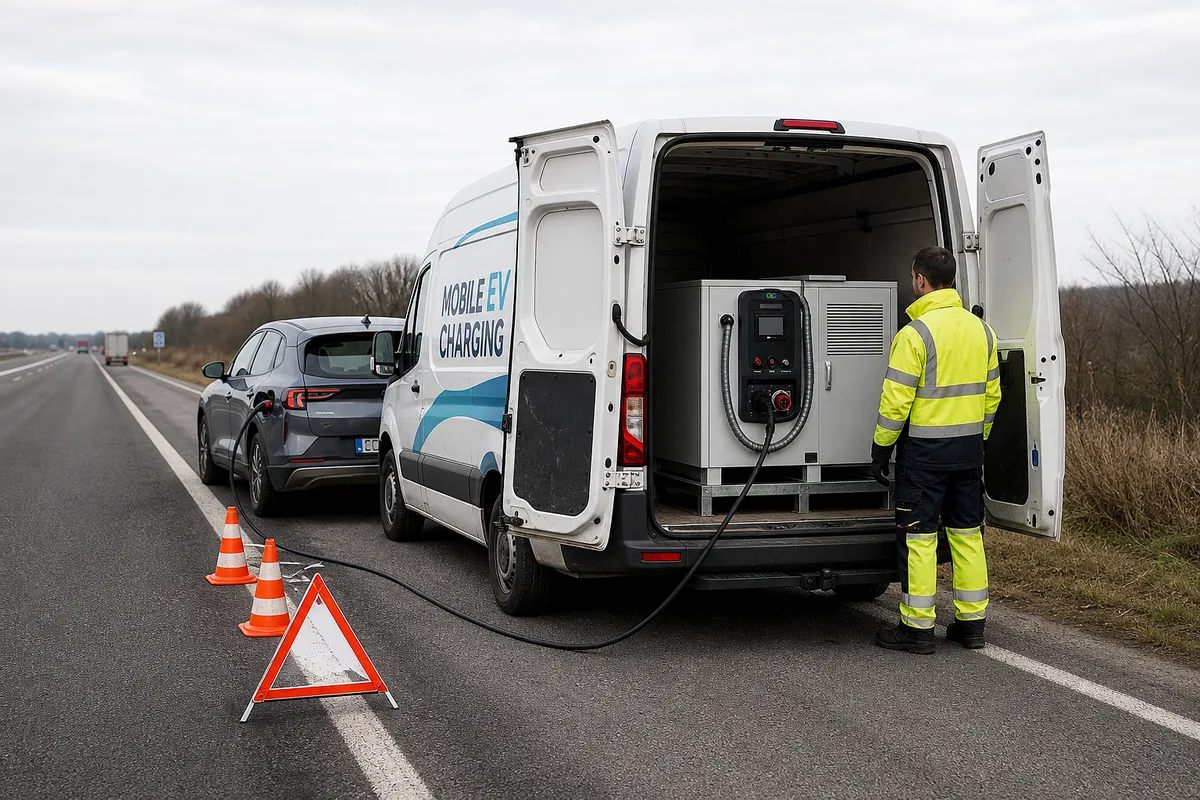
Bring battery-powered DC charging to stranded EVs, service areas and vehicle delivery routes.
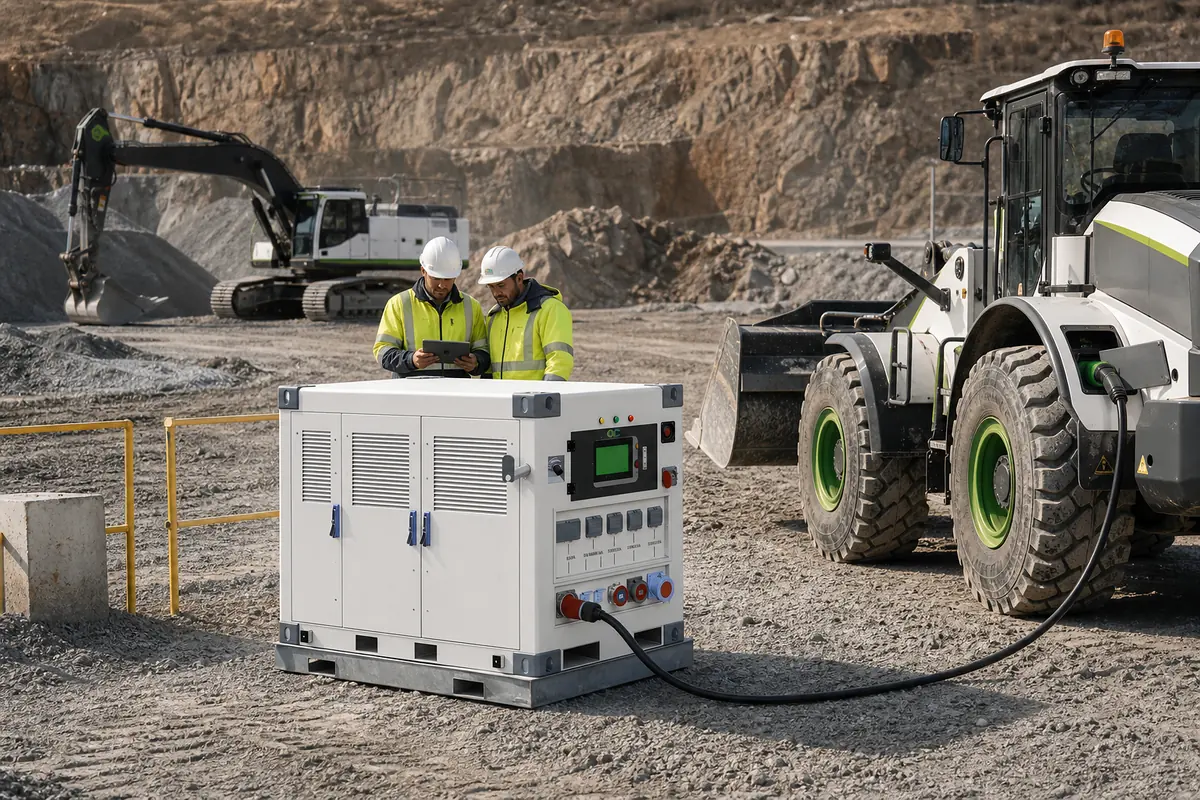
Charge electric equipment where permanent grid connections are limited, delayed or move with the work area.
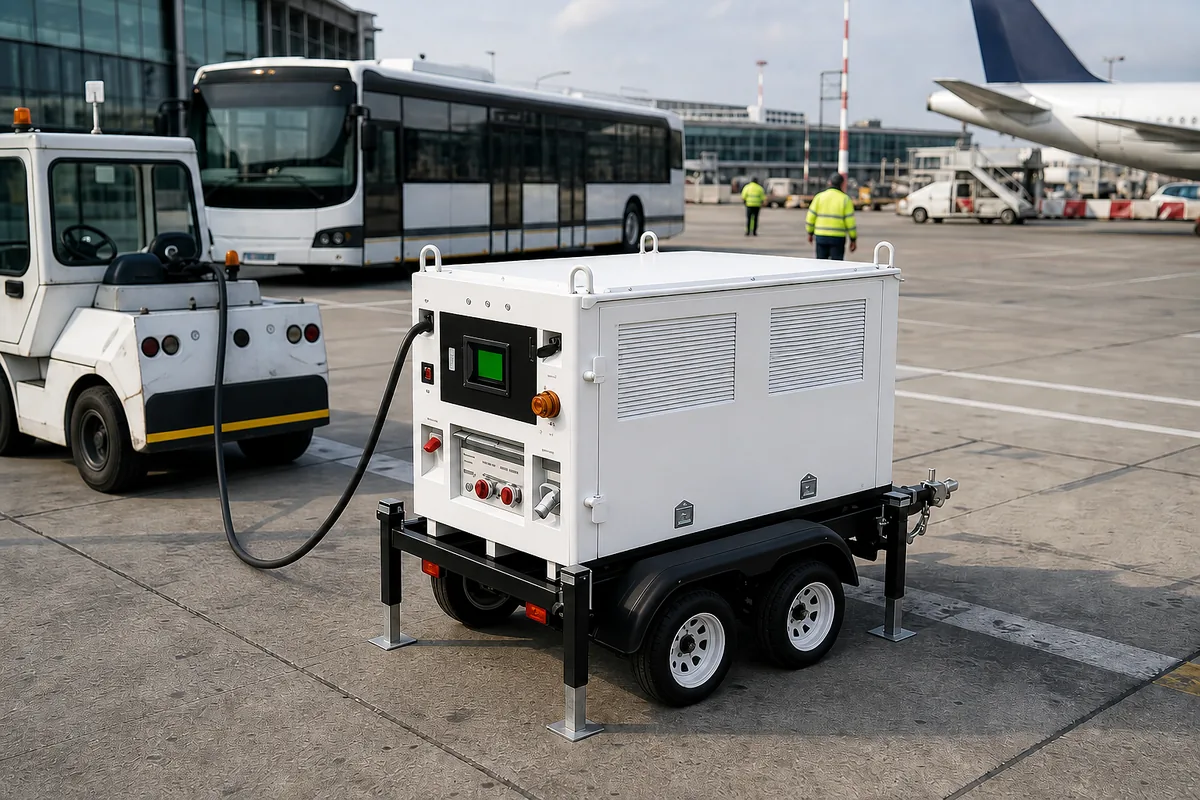
Support ground equipment, yard tractors, service fleets and phased infrastructure upgrades with mobile power.
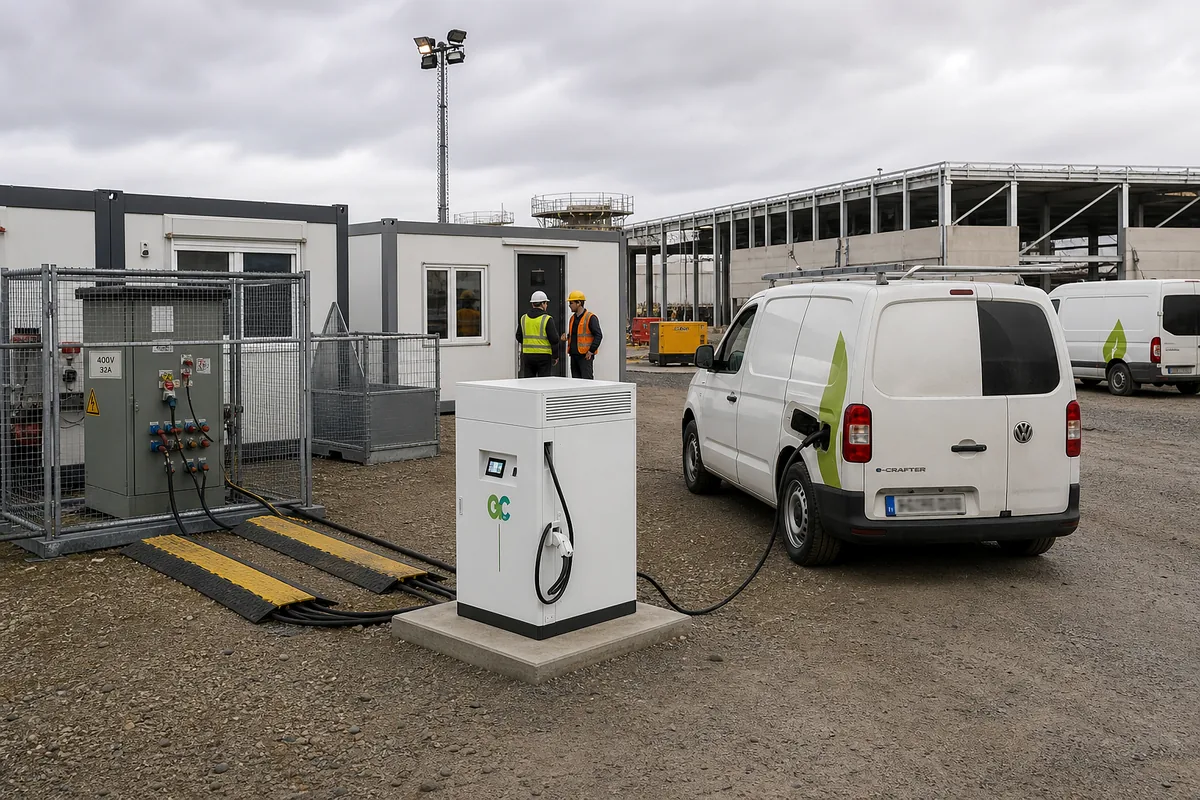
Deploy charging capacity before a permanent connection is available or where the existing grid cannot support peak demand.
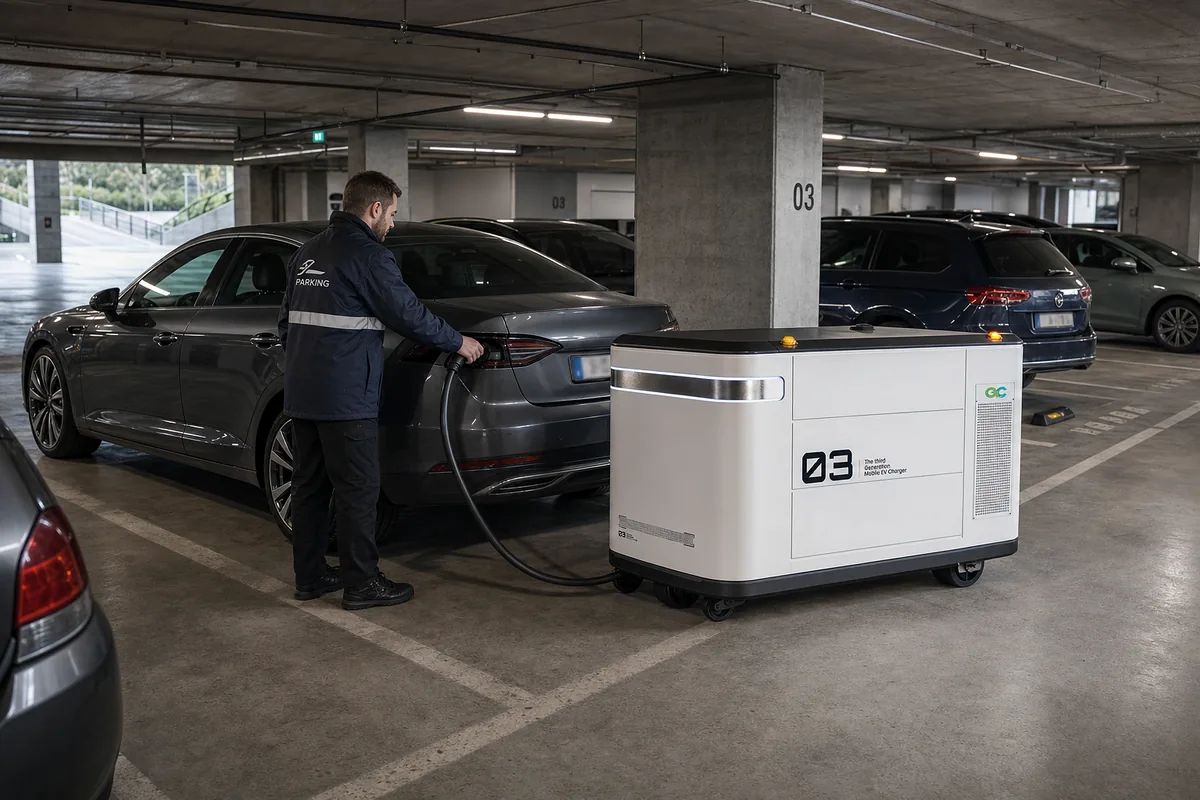
Move stored energy to vehicles in parking compounds, dealerships and controlled sites instead of installing a charger at every space.
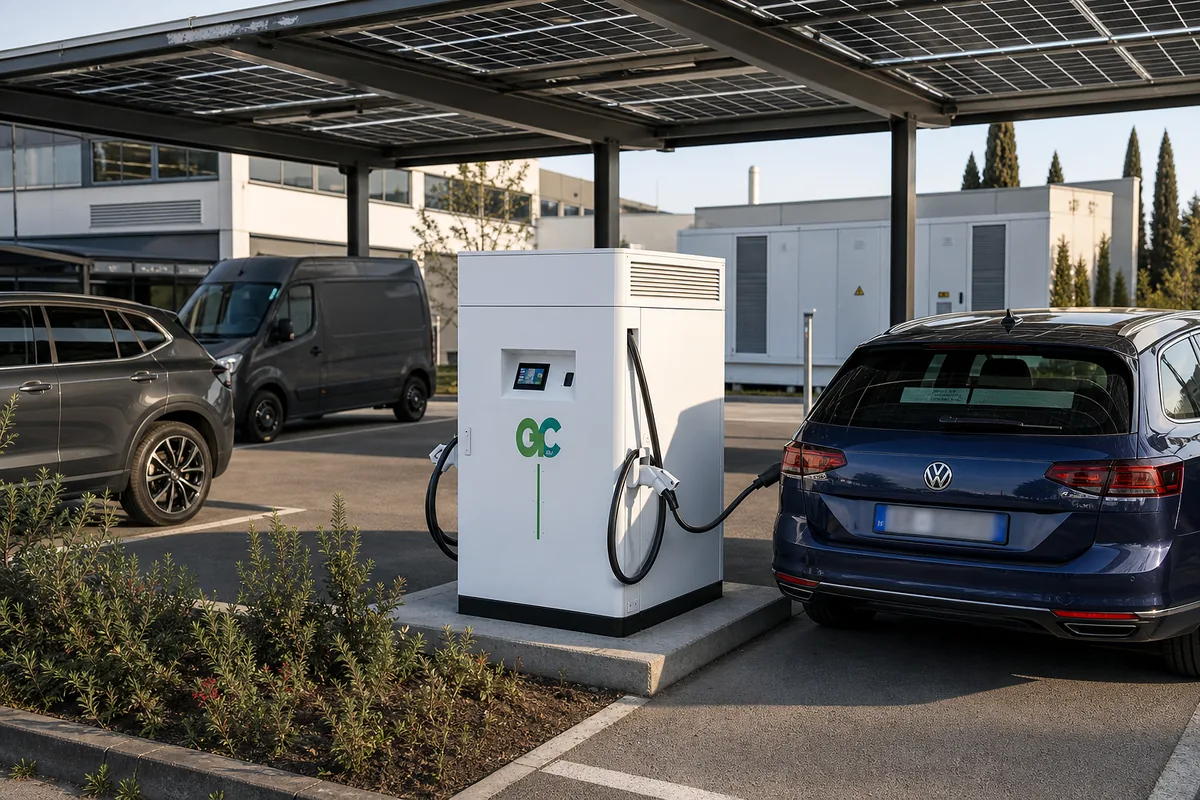
Combine suitable photovoltaic generation, battery storage and DC charging for sites that want to use more locally generated energy.
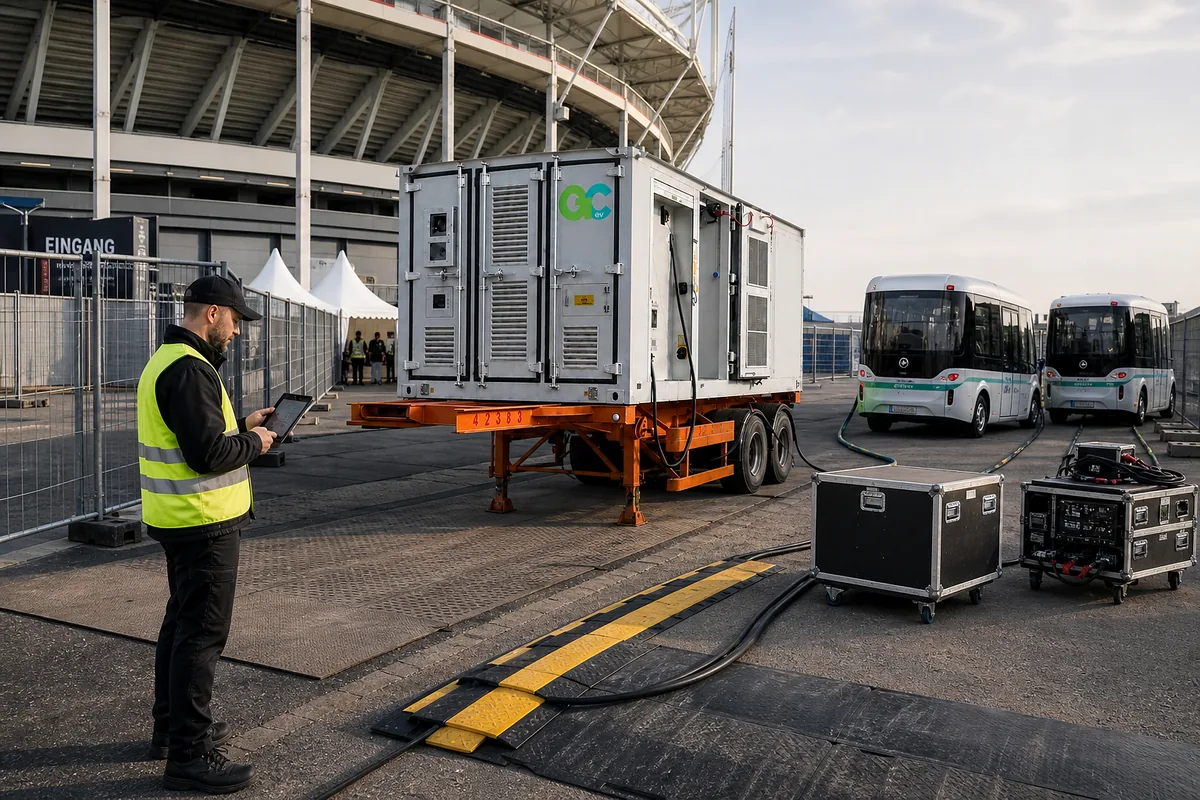
Deploy temporary EV charging for event fleets, emergency vehicles, demonstrations and short-term operating sites.
Move high-capacity stored energy to fleet, industrial and remote EV charging projects that need several outputs or longer operating cycles.
Vehicles, duty cycle and site power
Capacity, output, connectors and mobility
Engineering review, testing and documents
Shipping, commissioning and support
A mobile EV charger is not selected from output power alone. Two projects using the same vehicle may require different battery capacity because their daily mileage, dwell time, site input power and charging sequence are different. Start with the application page closest to your operation, then use the product recommendations as a shortlist rather than a final specification.
For an initial review, prepare the destination country, vehicle model, connector, number of vehicles, daily energy demand, charging window, available AC or DC input and required delivery date. LiCharger will use these inputs to confirm whether a compact movable charger, trailer-mounted system, fixed battery-integrated charger, charging robot or high-capacity mobile energy storage configuration is the better starting point.
Share your operating data and our team will suggest a practical starting point.