Variable solar output
Match storage charging to the actual PV generation profile.
Combine suitable photovoltaic generation, battery storage and DC charging for sites that want to use more locally generated energy.
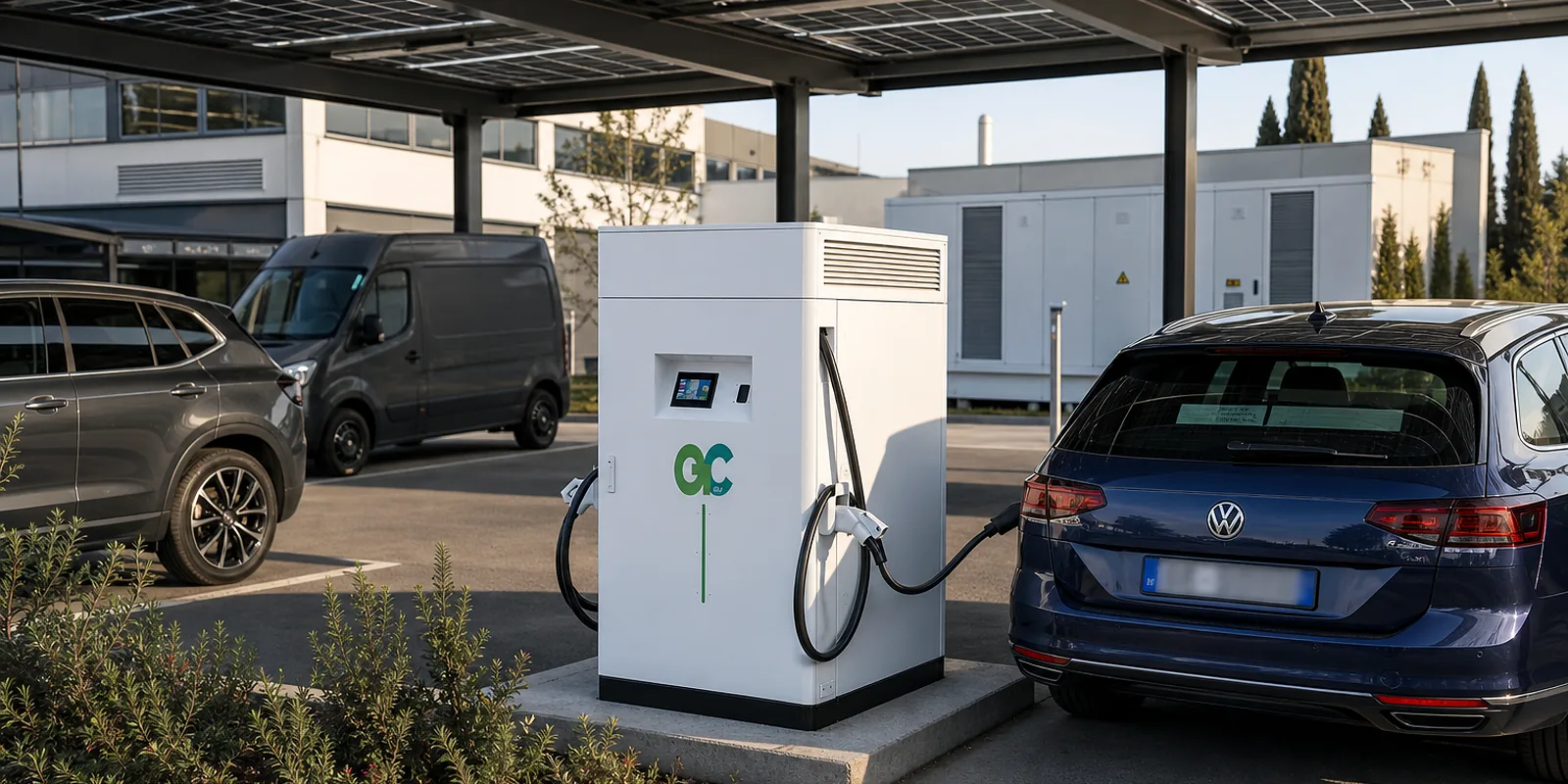
Solar generation and EV charging do not always peak at the same time. An integrated battery can store suitable photovoltaic energy and make it available during the vehicle charging window, while also reducing the instantaneous demand placed on the site connection.
Solar-plus-storage is not a standard one-size package. The design must be checked against PV capacity, generation profile, site load, battery recharge strategy, vehicle demand and local electrical requirements. LiCharger provides the charging equipment and project configuration; the local solar and grid integration scope is agreed for each project.
Compare the suggested configurations in our mobile EV charger catalog, then confirm the final specification with the project engineering team.
Correct sizing depends on when vehicles charge, how much energy they need and how the mobile system itself will be recharged.
Match storage charging to the actual PV generation profile.
Store daytime energy for later vehicle charging windows.
Coordinate solar, grid and battery input within the site limit.
Define responsibilities for PV, protection, controls and commissioning.
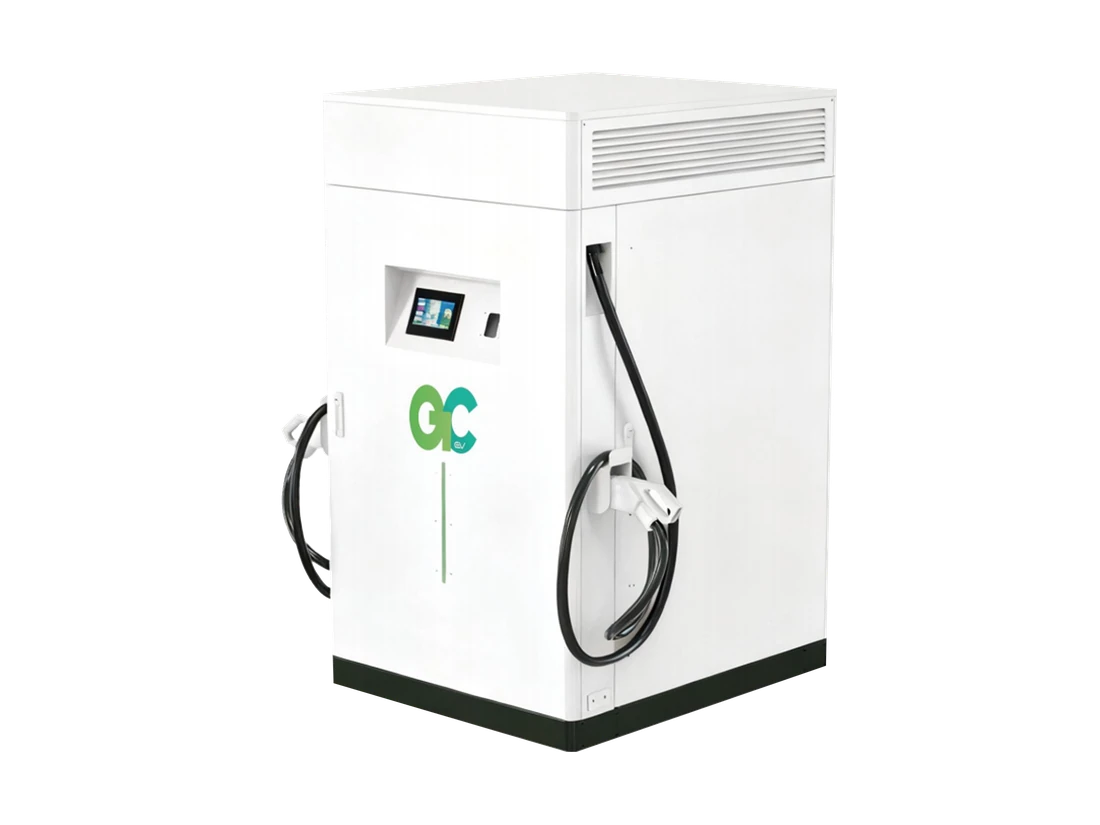
Combine an approved recharge source, integrated battery storage, DC fast charging outputs and optional OCPP-compatible communications.
These inputs turn a broad application idea into a configuration that can be checked against the selected equipment.
Installed capacity, expected generation and seasonal variation.
Other loads that share the solar and grid connection.
Vehicle energy, arrival times and required DC output.
Local EPC, protection, metering, controls and approvals.
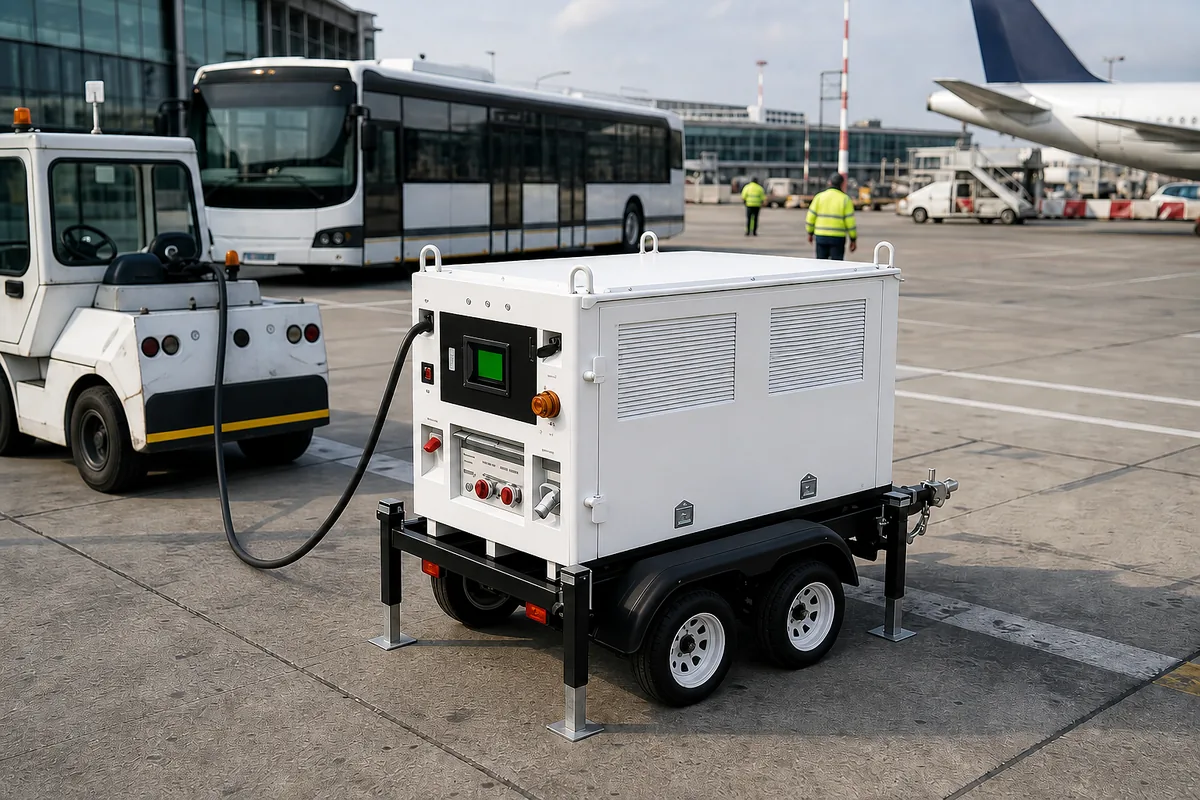
These products are starting points. Final capacity, output, cable count and connector are confirmed after the duty-cycle review.
Destination market, vehicle model, connector, number of vehicles, daily energy demand and available input power allow a faster technical response.
No universal claim should be made. Solar integration is project-specific and must be confirmed for the selected charger, PV equipment and local electrical design.
Storage can shift suitable solar energy into the vehicle charging window and can reduce the peak power drawn from the site connection.
Provide PV capacity and generation data, site load, grid limit, vehicle energy, charging schedule, location and the local EPC integration plan.