Grid upgrade delays
Deploy charging before the permanent service is energized.
Plan temporary or relocatable DC charging for fleet depots and logistics yards while vehicle demand, operating routes, charging windows and available site power continue to change.
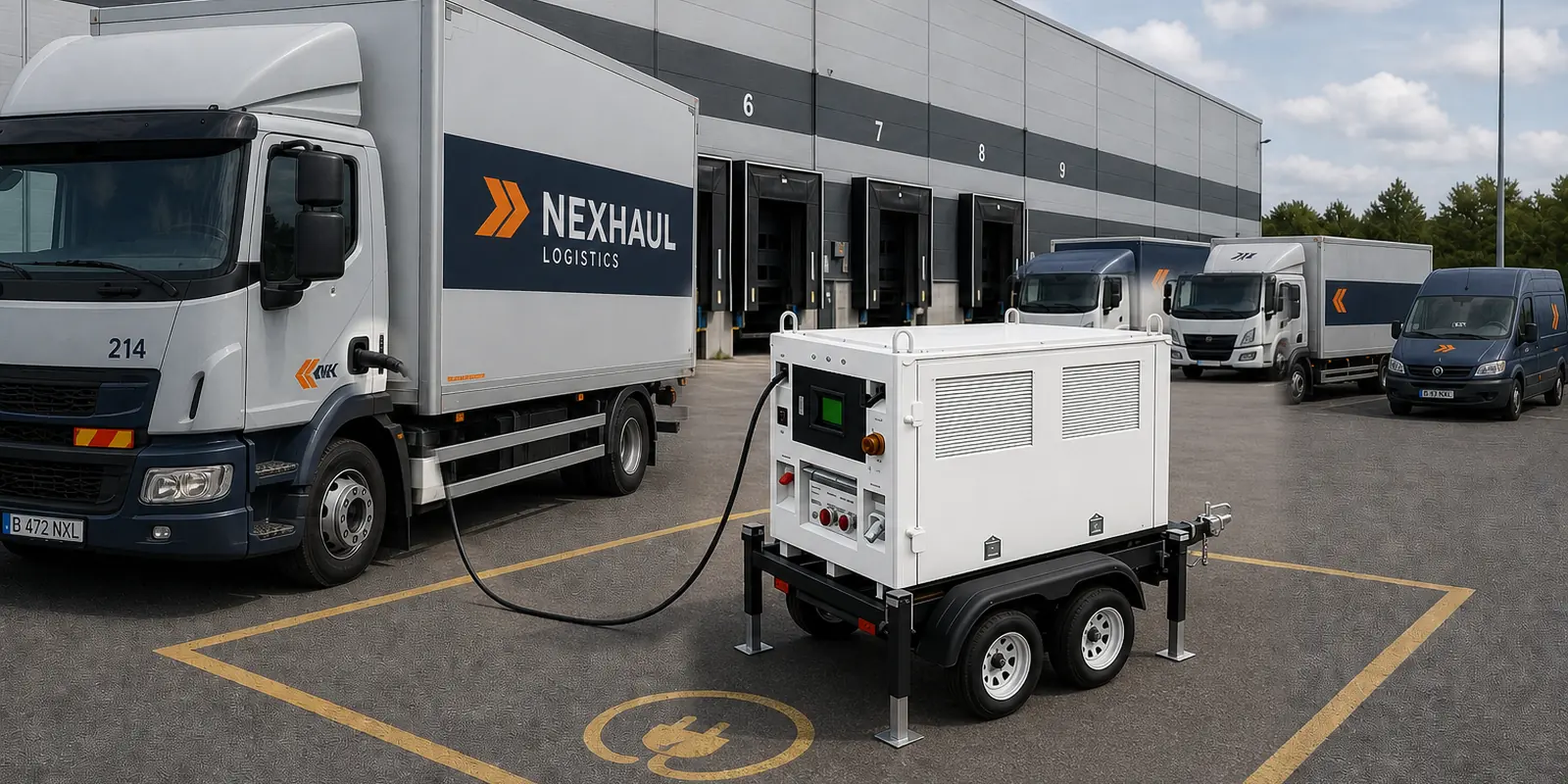
Fleet electrification rarely happens all at once. Vehicle deliveries, depot construction and utility upgrades often follow different schedules. A battery-powered mobile charger can support early vehicles, temporary routes or a secondary depot without waiting for a permanent high-power connection.
LiCharger configurations are selected around vehicle battery size, daily mileage, dwell time, connector type and the power available to recharge the mobile unit. This helps the project team compare a compact movable charger, a trailer-mounted system or a higher-capacity multi-output unit.
Compare the suggested configurations in our mobile EV charger catalog, then confirm the final specification with the project engineering team.
Continue planning: Grid-constrained site planning · Fleet-depot planning guide.
Correct sizing depends on when vehicles charge, how much energy they need and how the mobile system itself will be recharged.
Deploy charging before the permanent service is energized.
Add energy capacity during peak seasons or temporary contracts.
Move one charging asset between controlled operating locations.
Reconfigure charging windows as vehicles and routes change.
Combine an approved recharge source, integrated battery storage, DC fast charging outputs and optional OCPP-compatible communications.
These inputs turn a broad application idea into a configuration that can be checked against the selected equipment.
Daily distance, return time and energy used per shift.
Available AC or DC input and the time allowed for recharging.
Number of vehicles, connectors and required output allocation.
OCPP 1.6J hardware can connect to a compatible local platform.
These products are starting points. Final capacity, output, cable count and connector are confirmed after the duty-cycle review.
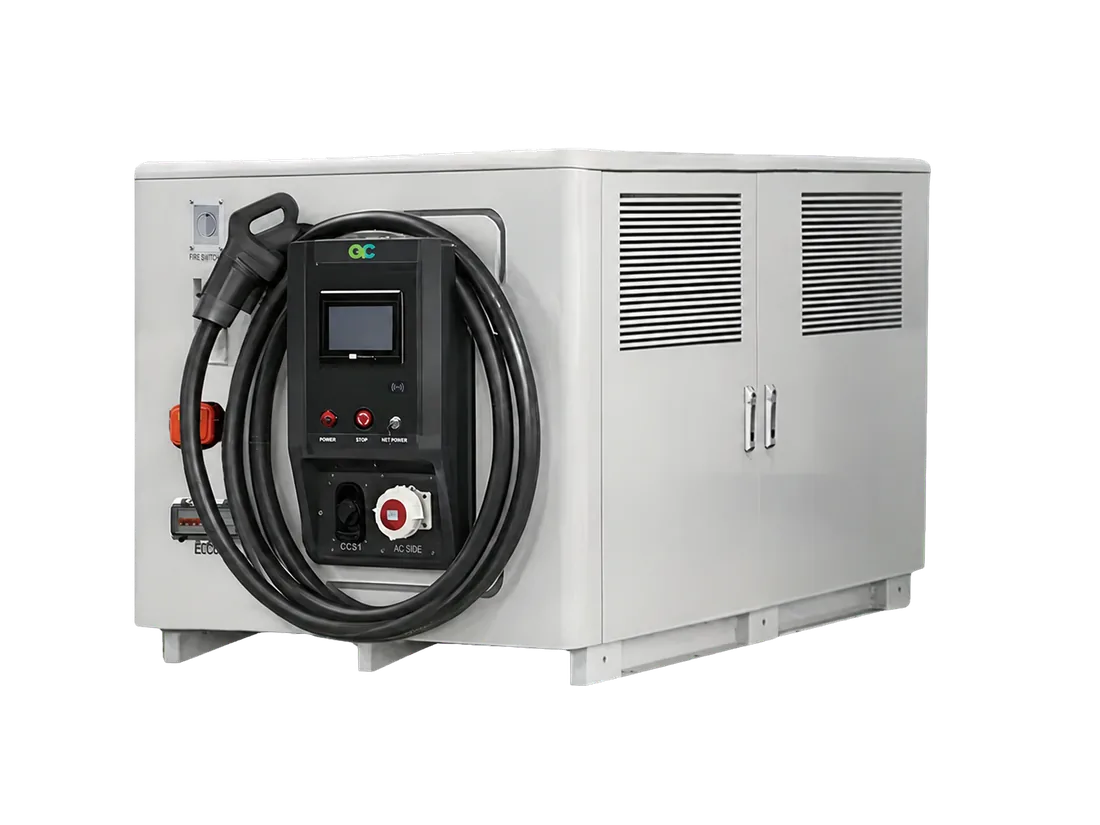
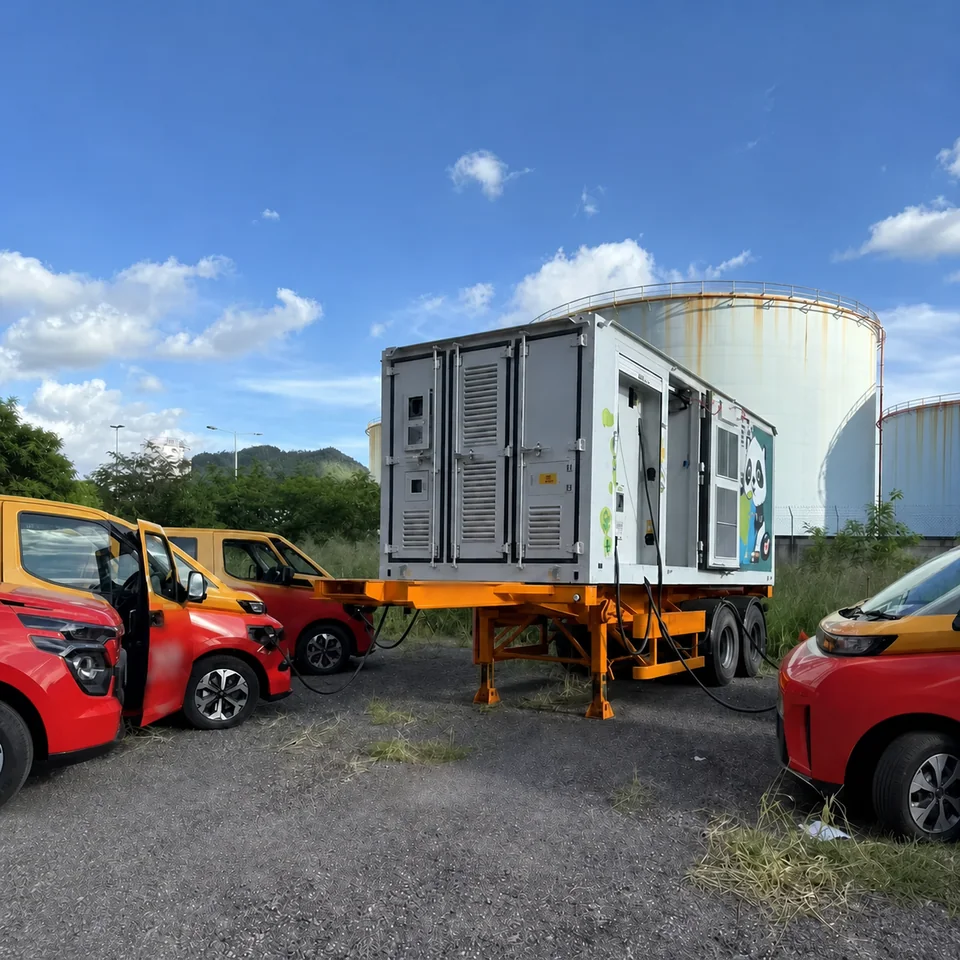
Destination market, vehicle model, connector, number of vehicles, daily energy demand and available input power allow a faster technical response.
Yes. A correctly sized battery-powered charger can provide temporary DC charging while the permanent connection is being planned or constructed.
We review the number of vehicles, daily energy per vehicle, dwell time, connector type, simultaneous charging requirement and the power available to recharge the unit.
A relocatable or trailer-mounted configuration can be moved between suitable controlled sites, subject to transport, setup and recharge planning.