Remote work areas
Bring stored energy closer to equipment operating away from the grid.
Charge electric equipment where permanent grid connections are limited, delayed or move with the work area.
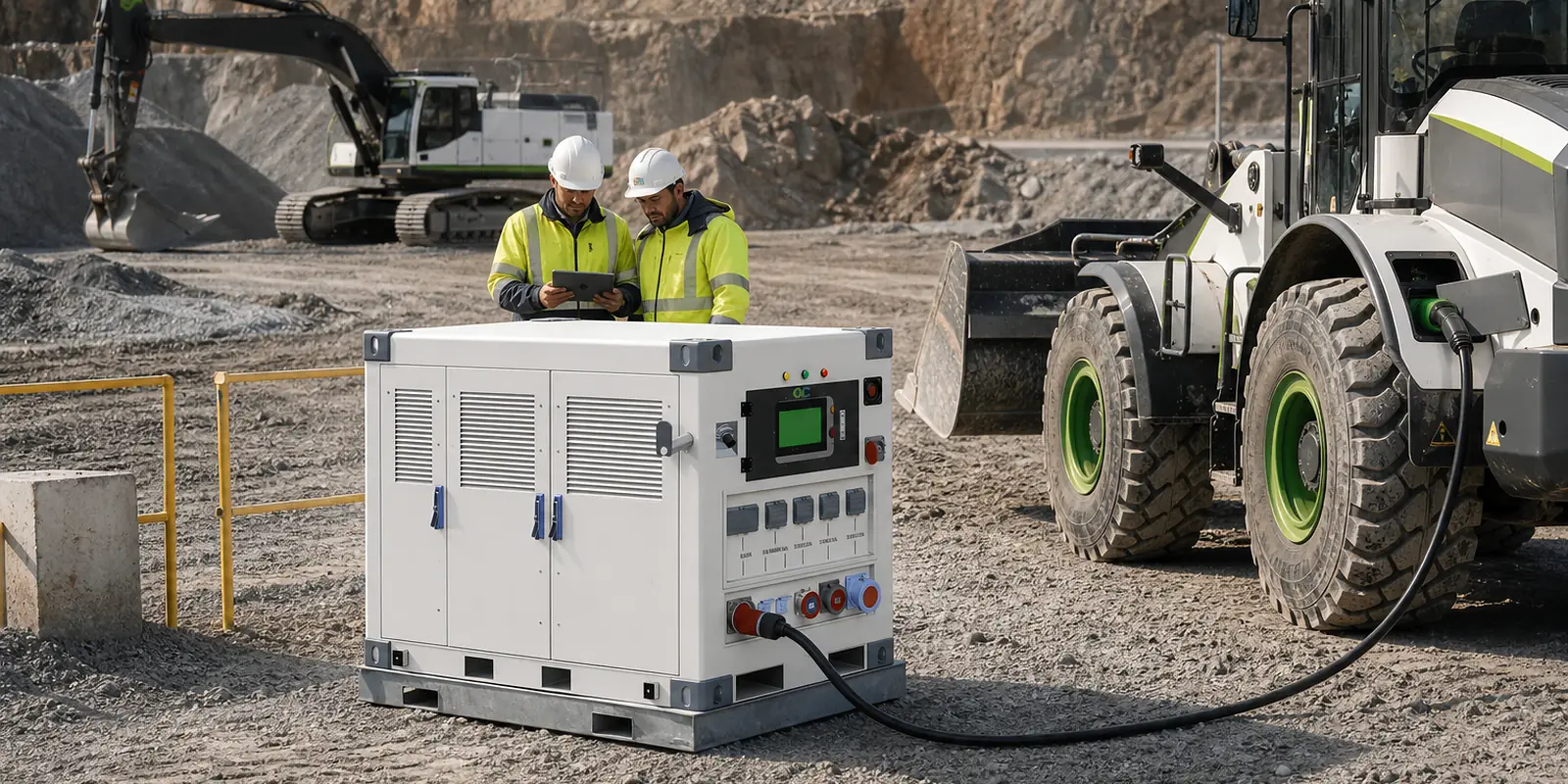
Electric construction and mining equipment can work far from a permanent charger, and the active work area may move throughout a project. Mobile battery storage brings charging energy closer to the equipment and can reduce dependence on a fixed charging point during early or temporary phases.
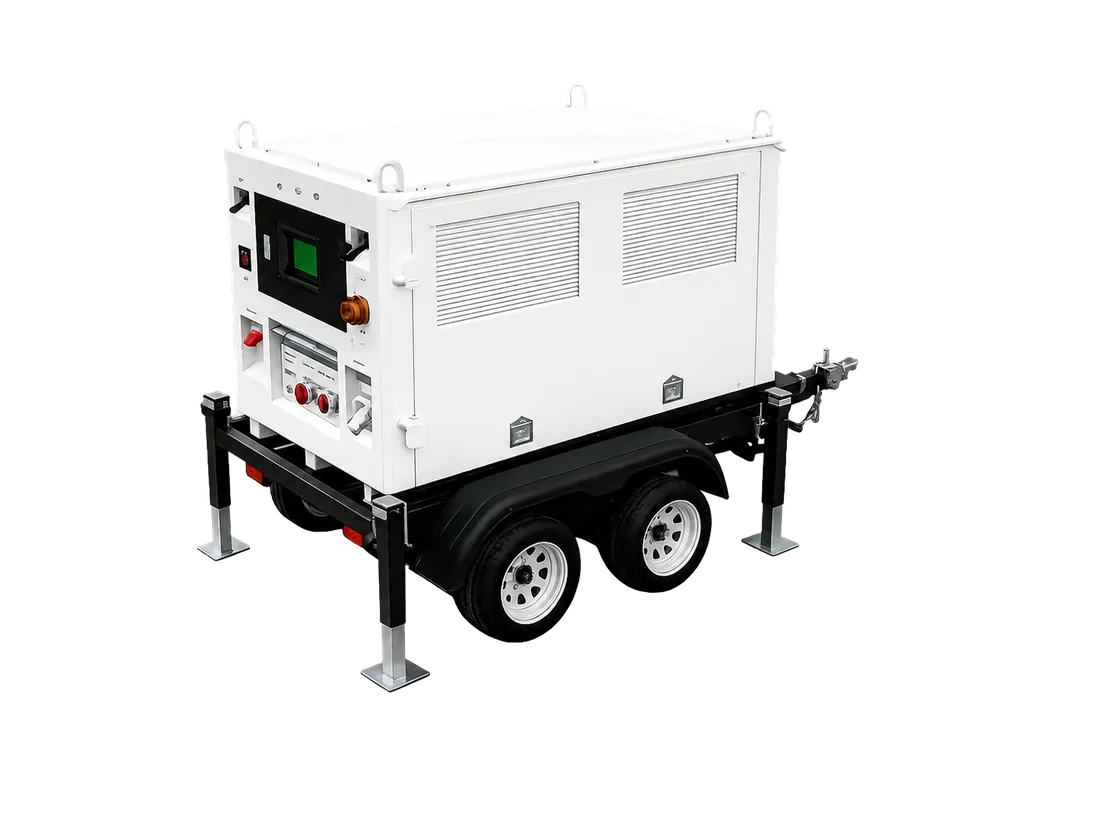
Project engineering must consider site access, towing or transport, dust, temperature, duty cycle, vehicle voltage and the recharge source for the mobile system. Higher-capacity trailer and four-output configurations can support demanding equipment or several charging windows.
Compare the suggested configurations in our mobile EV charger catalog, then confirm the final specification with the project engineering team.
Correct sizing depends on when vehicles charge, how much energy they need and how the mobile system itself will be recharged.
Bring stored energy closer to equipment operating away from the grid.
Relocate the system as the active zone changes.
Confirm enclosure, cooling and operating range for the actual environment.
Match usable battery energy and recharge time to the production schedule.
Combine an approved recharge source, integrated battery storage, DC fast charging outputs and optional OCPP-compatible communications.
These inputs turn a broad application idea into a configuration that can be checked against the selected equipment.
Battery size, voltage, connector and maximum DC acceptance power.
Operating hours, breaks and energy required between charging windows.
Road conditions, towing method, access and setup locations.
Temperature, dust, altitude and required enclosure protection.
These products are starting points. Final capacity, output, cable count and connector are confirmed after the duty-cycle review.
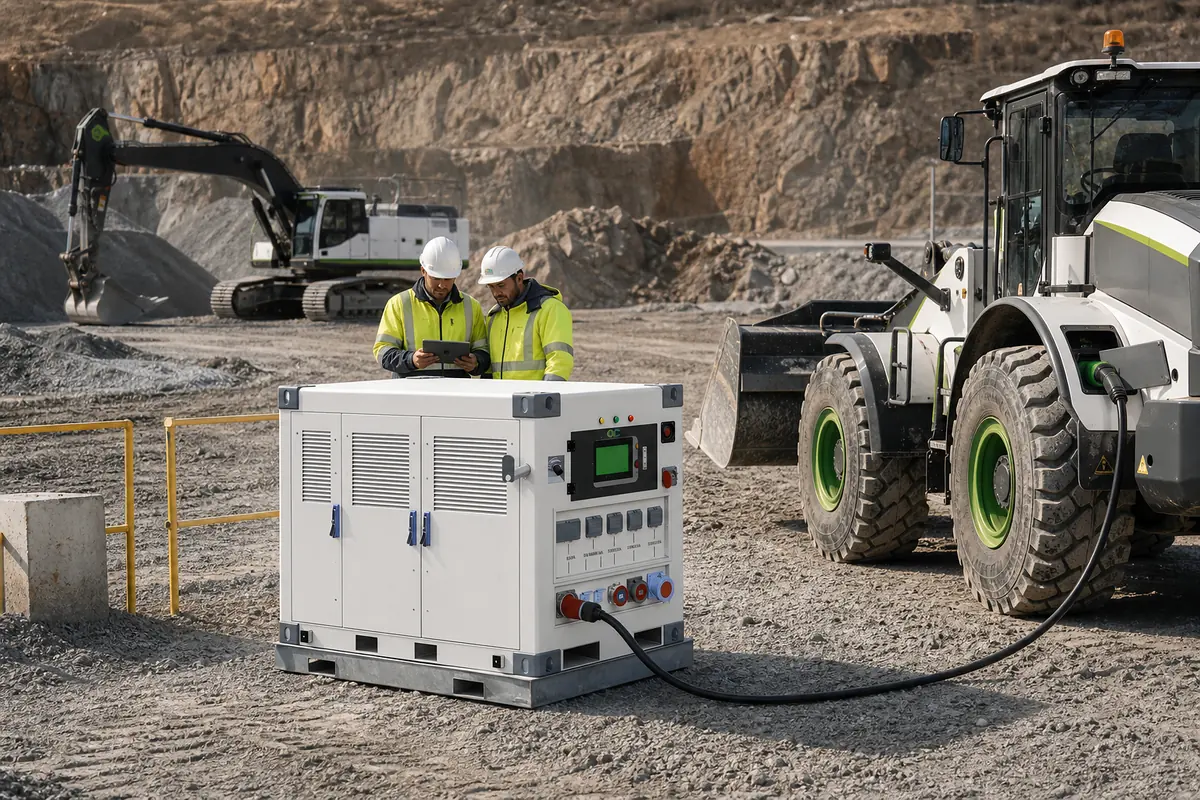
Destination market, vehicle model, connector, number of vehicles, daily energy demand and available input power allow a faster technical response.
Trailer-mounted and other relocatable configurations can follow the project after transport and setup requirements are confirmed.
We need equipment battery and connector data, shift energy, access conditions, temperature, dust, available input power and the required delivery date.
Dual- and four-output configurations are available on selected models. Output allocation and simultaneous charging are confirmed during engineering review.