High daily energy
Carry more usable energy for long shifts or multiple vehicles.
Move high-capacity stored energy to fleet, industrial and remote EV charging projects that need several outputs or longer operating cycles.
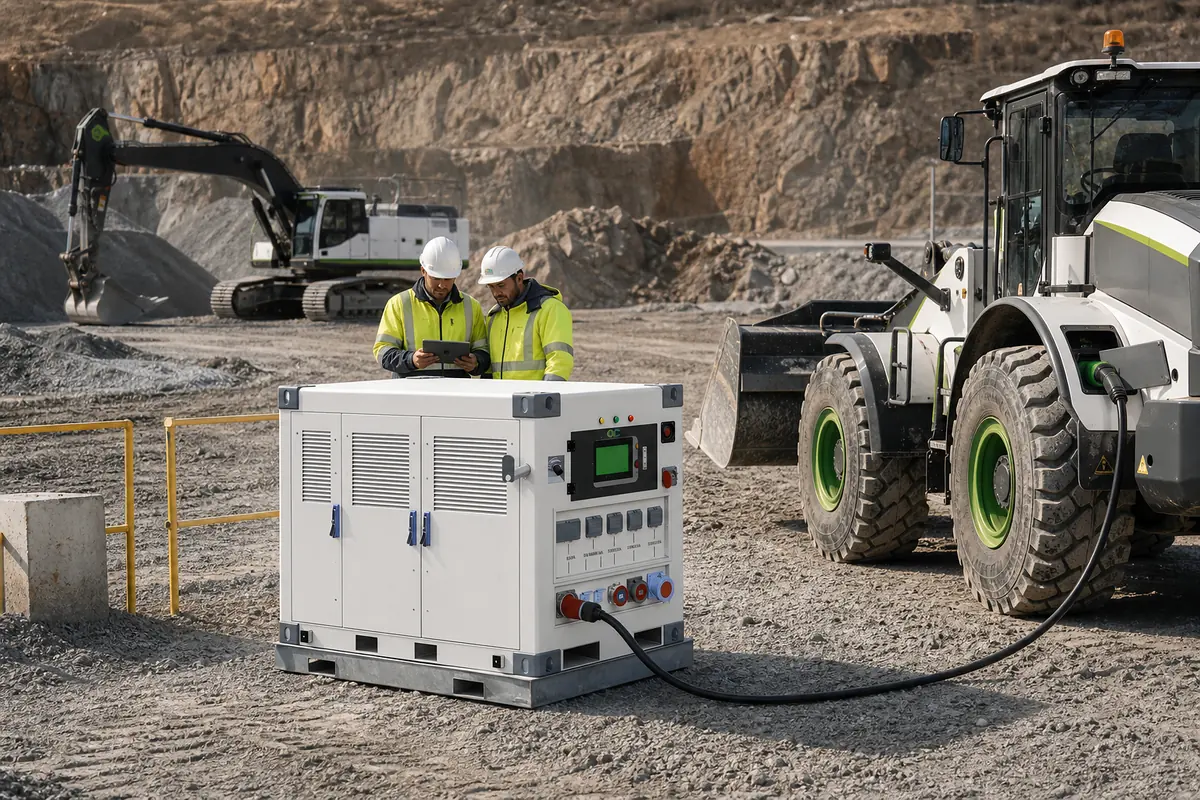
High-capacity mobile energy storage combines a large battery, power conversion, DC charging outputs and transportable packaging. It is designed for EV charging projects that need more daily energy, several charging connectors or operation away from a strong grid connection.
The equipment is still a charging system, not a generic utility-scale BESS. Final configuration depends on vehicle voltage, usable energy, simultaneous output, recharge source, transport rules, placement and the operating reserve required by the project.
Compare the suggested configurations in our mobile EV charger catalog, then confirm the final specification with the project engineering team.
Correct sizing depends on when vehicles charge, how much energy they need and how the mobile system itself will be recharged.
Carry more usable energy for long shifts or multiple vehicles.
Allocate output across dual- or four-connector configurations.
Deliver charging capacity to sites far from permanent infrastructure.
Coordinate system recovery time, logistics and permitted transport method.
Combine an approved recharge source, integrated battery storage, DC fast charging outputs and optional OCPP-compatible communications.
These inputs turn a broad application idea into a configuration that can be checked against the selected equipment.
Daily kWh, reserve, usable depth and charging losses.
Power per connector and number of simultaneous vehicles.
Input source, available power and recovery time between cycles.
Transport, dimensions, weight, route, setup and local approvals.
These products are starting points. Final capacity, output, cable count and connector are confirmed after the duty-cycle review.
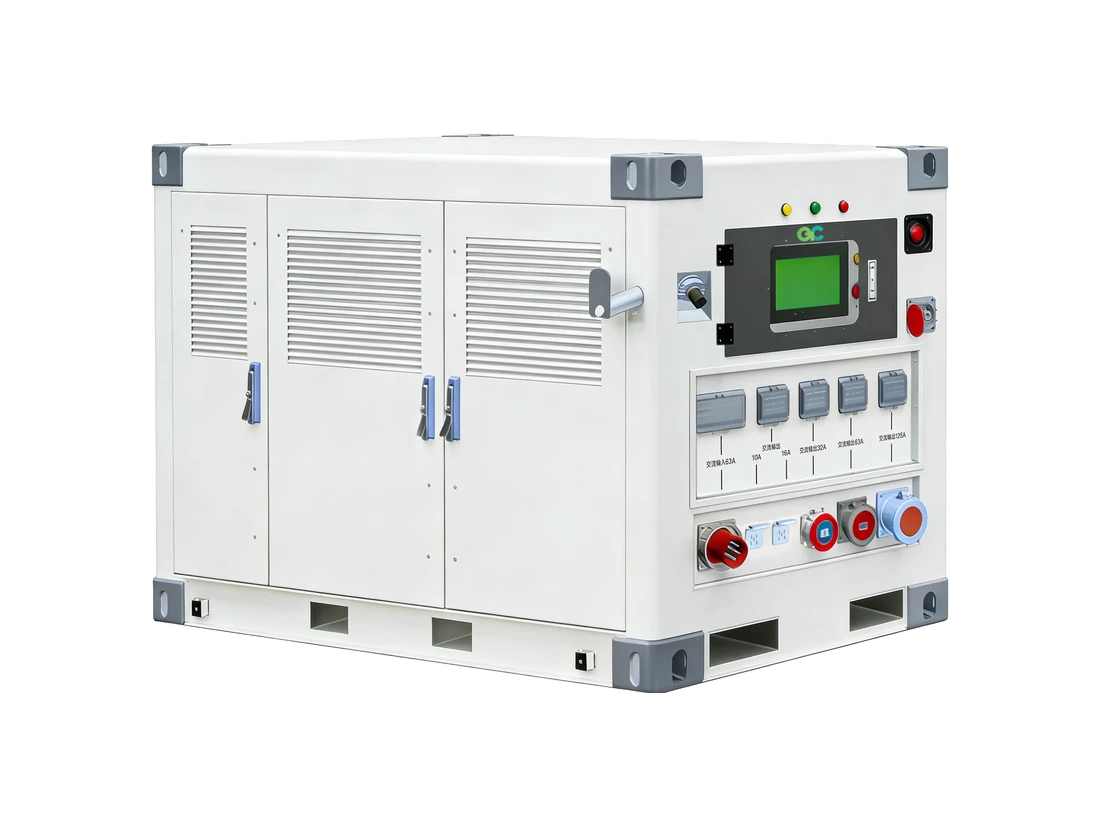
Destination market, vehicle model, connector, number of vehicles, daily energy demand and available input power allow a faster technical response.
The current high-capacity model is 1200 kWh / 640 kW with four 160 kW outputs, subject to final project configuration.
That earlier configuration has been upgraded to the current 1200 kWh / 640 kW four-output version.
Selected high-capacity models offer dual or four outputs. Vehicle acceptance power and output allocation are confirmed during engineering review.