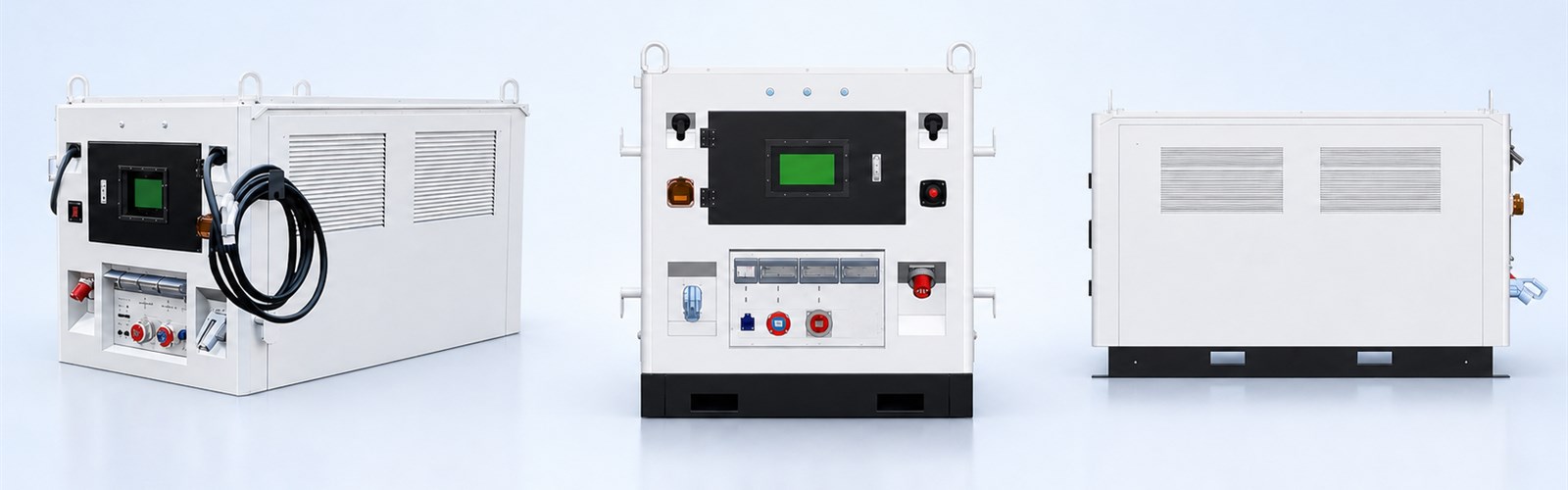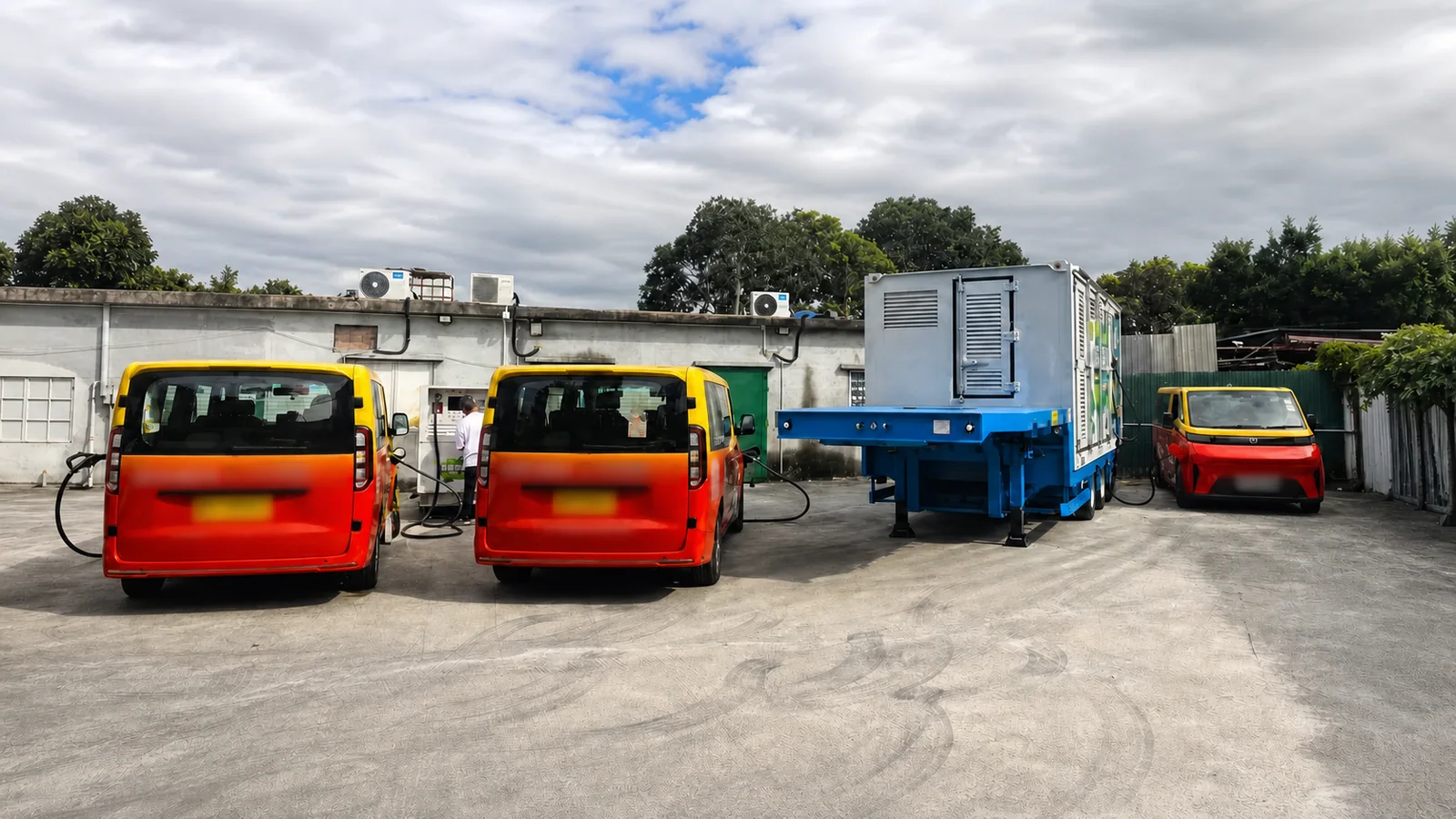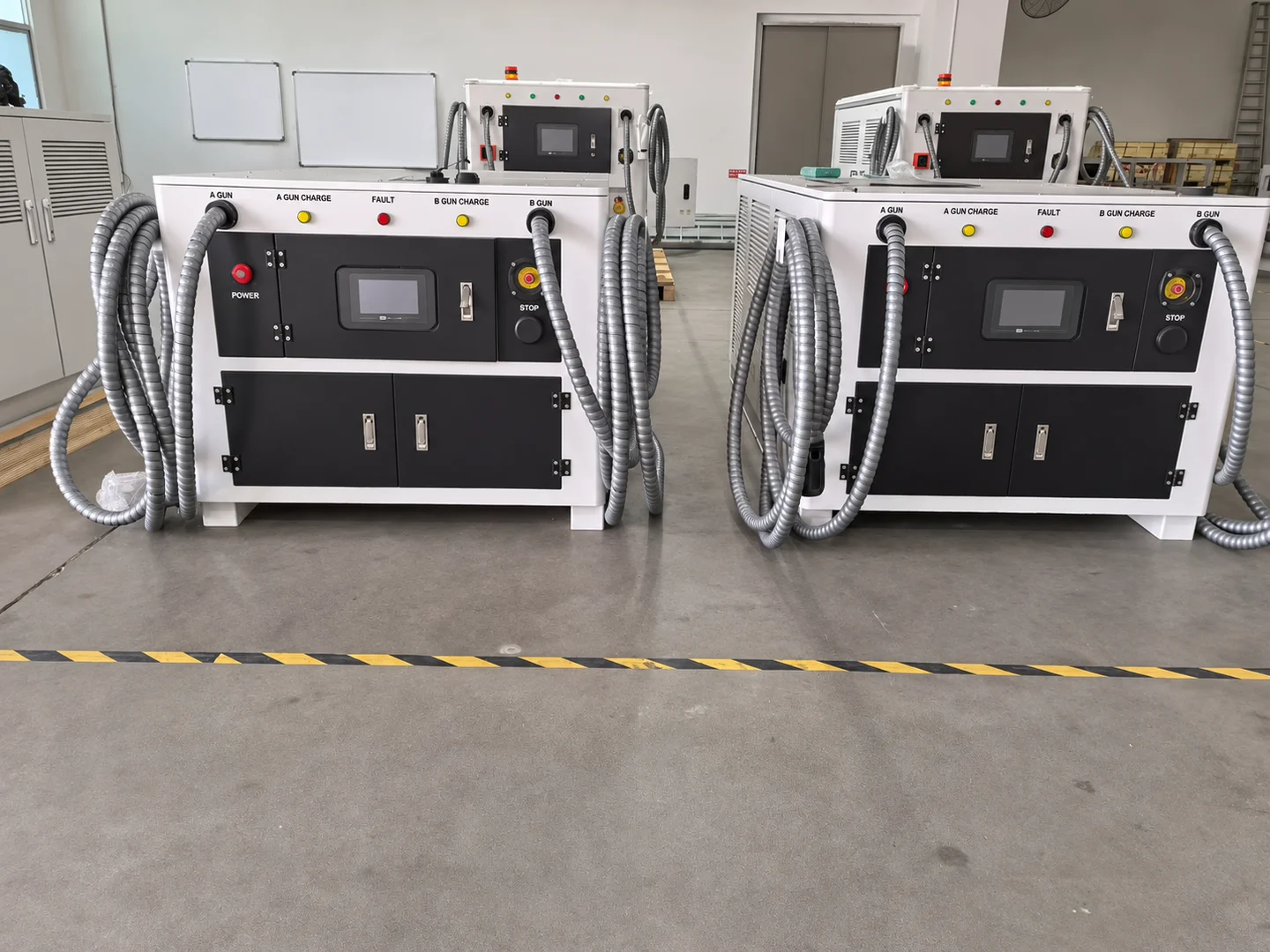
Buying several mobile EV chargers creates a second planning task: how those units will recharge between assignments. The equipment that supplies energy to vehicles also needs a suitable input source, enough time at base and an operating plan that matches the available site power.
A recharge-base brief should connect the field operation with the equipment configuration and the electrical supply. Choosing a mobile charger by battery capacity alone does not define a complete base installation.
Start with the return-to-base schedule
List how many mobile units you intend to operate, when each unit returns and when it must leave again. Note whether they share one overnight window or return at different times during the day.
Include the expected energy delivered during a shift and the reserve needed for unexpected work. If the service is still being planned, provide a range and identify the assumptions. Nominal battery capacity does not tell you how much energy will be available for every assignment: operating reserve, conversion losses and charging conditions also matter.
The first design question is therefore operational: which units must be ready, at what time, and for which next shift?
Separate equipment input from vehicle-charging output
Battery capacity is expressed in kWh. Power is expressed in kW. A mobile unit's DC output rating describes its vehicle-charging capability; its recharge input is a separate specification. An AC outlet used to supply equipment is also different from an AC inlet used to recharge the battery.
For every proposed configuration, ask which recharge methods and interfaces are supported. Confirm the applicable input rating, supply conditions, connector and operating restrictions. Do not assume that the highest output figure printed on a product page is the power the unit can accept at base.
For an equipment example, review the approved 200 kWh trailer configuration and its separate recharge and output descriptions. Confirm the selected version in the project quotation.
Decide whether units recharge together or in sequence
A base with several mobile units may use a shared schedule, a staggered schedule or dedicated recharge equipment. The practical choice depends on how many units need energy at the same time and how much site capacity is available.
If several units recharge concurrently, review their combined input demand alongside the building's other loads. If they recharge in sequence, check that each unit can finish before its next assignment. Scheduling can change the required simultaneous demand, but it does not remove the energy that needs to be replenished.
Avoid estimating turnaround time by dividing battery capacity by a peak power rating alone. The applicable recharge profile, starting state of charge, operating conditions and system limits must be considered. Ask for the assumptions behind any proposed schedule.
Review the site as part of the project
Share the existing AC or DC supply information and identify what is known about spare capacity. Include where units will park, cable routes, vehicle access and the space needed to connect and service the equipment.
The local electrical design also needs a competent review of supply compatibility, protection, isolation, earthing and installation requirements. A product quotation should not be treated as approval of a site's electrical design or permission to operate in a particular market.
Where a local contractor, operator or integrator is involved, establish who will confirm the site information and who will supply each part of the installation. Mark unresolved inputs clearly before agreeing a final equipment scope.
Define the supply and integration boundary
Ask the supplier to distinguish the mobile units from any proposed recharge equipment, cables, accessories and integration work. Clarify which items are standard, which are options and which require further engineering review.
If remote monitoring or operator software is needed, describe the intended functions and the platform you plan to use. Communication hardware readiness does not by itself establish billing, scheduling or fleet-management capability. The OCPP hardware-ready explanation sets out that distinction.
Request documents for the exact model and configuration. Check whether each document covers a component or the finished equipment, and explain the destination-market requirements that the project must address.
Prepare a short request for a project review
You do not need a completed engineering specification to begin. A useful first brief includes:
- The application, destination market and intended number of mobile units.
- Expected field energy demand, return times and next departure times.
- Whether units must recharge together or can follow a sequence.
- Known AC/DC supply details and other significant site loads.
- Parking, access, installation and interface constraints.
- The documents, software functions and delivery scope to be evaluated.
Write “unknown” where information still needs confirmation. This helps separate equipment selection from the site work and commercial scope that must be agreed later.
Compare the existing fleet charging planning information, then send a recharge-base project inquiry with the details available. LiCharger can review the intended equipment configuration and identify the further inputs needed for the project.