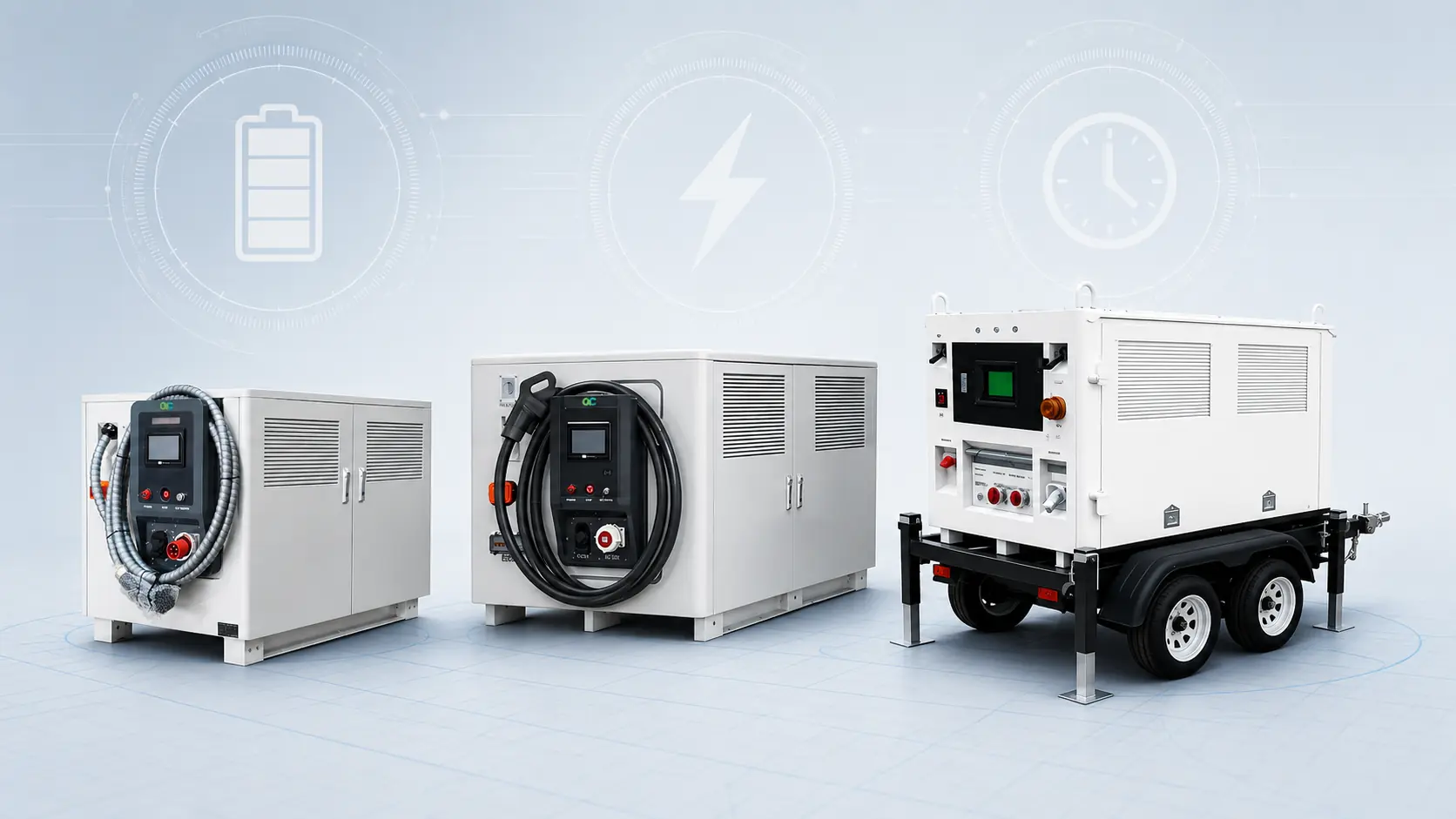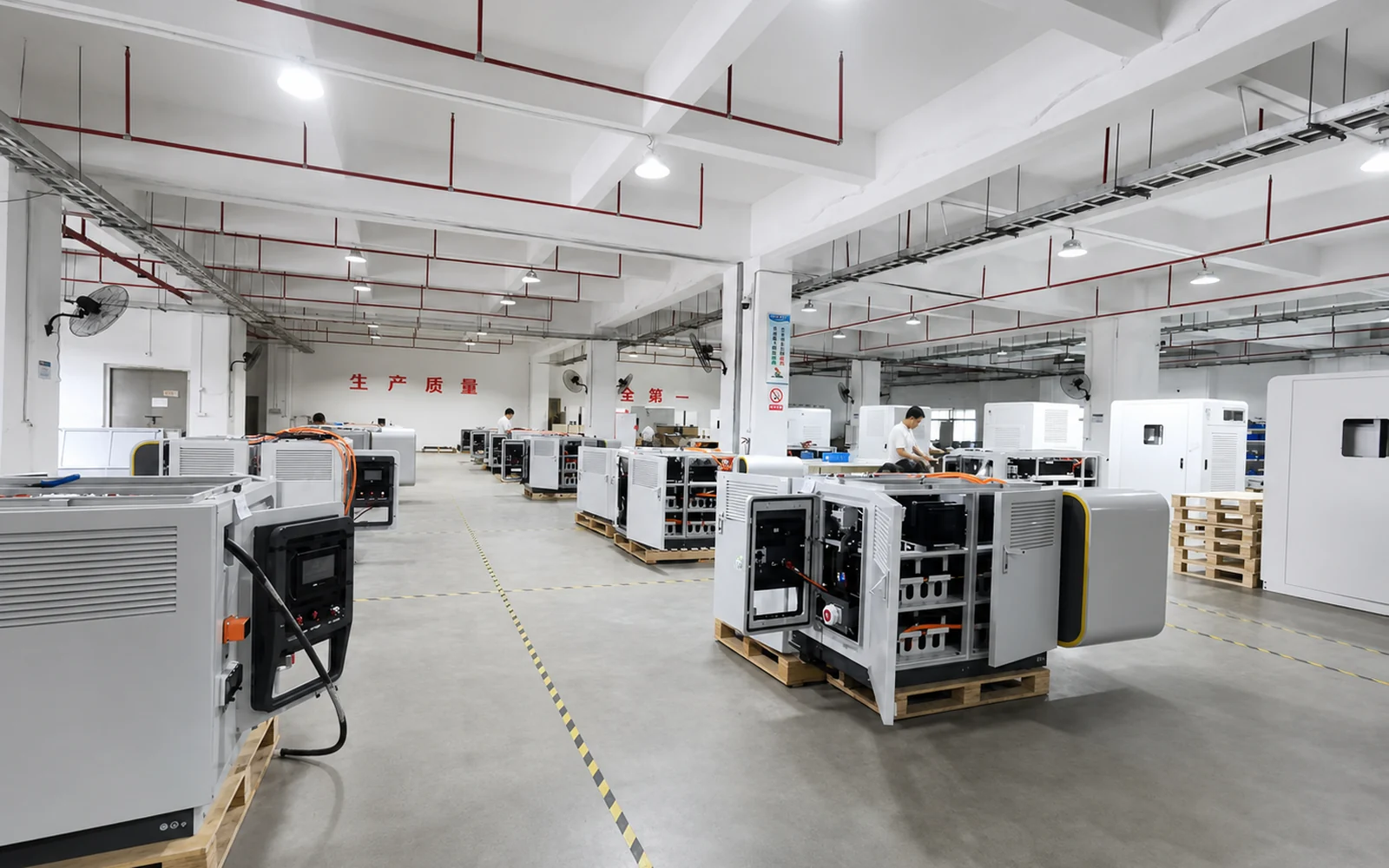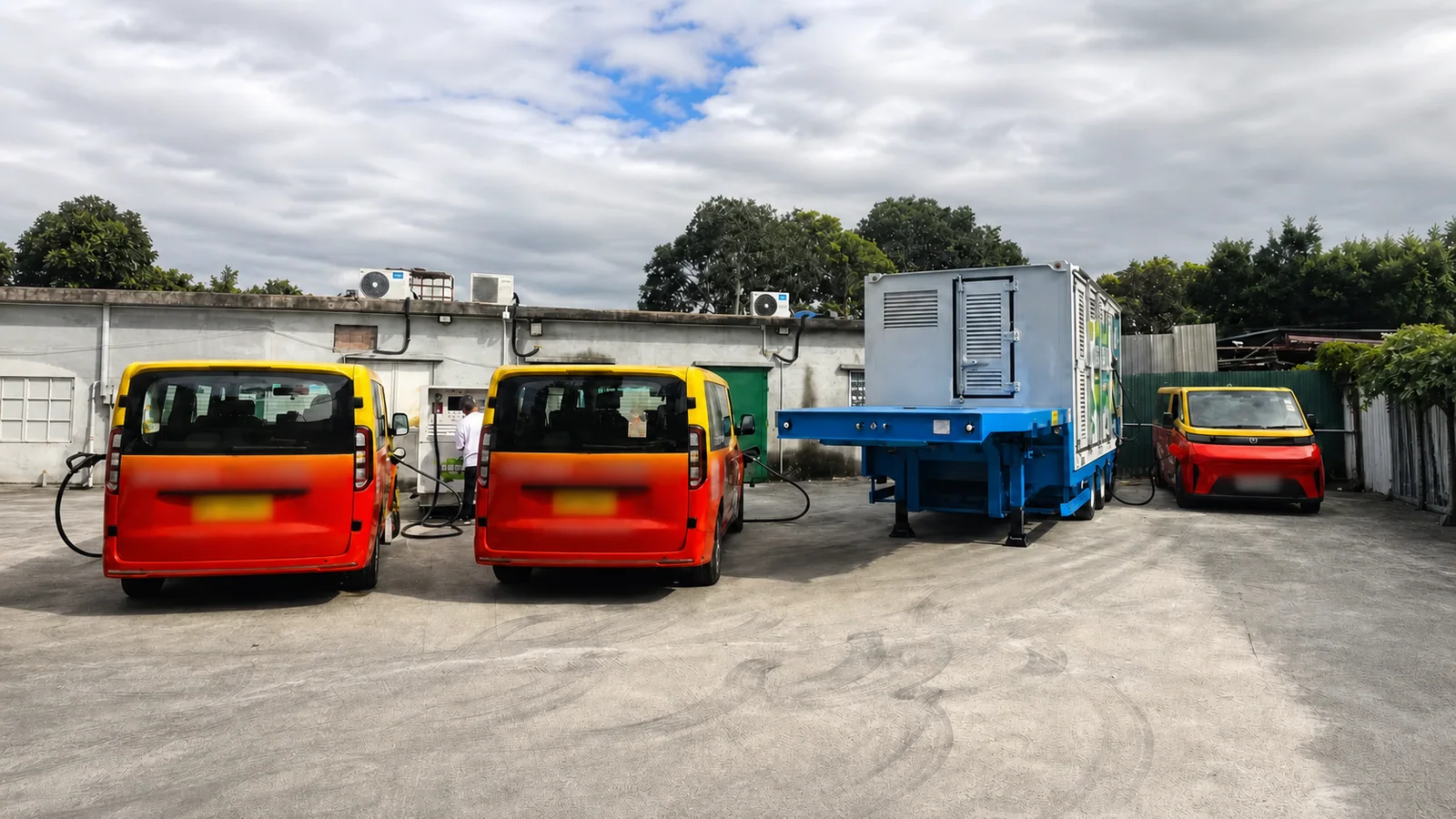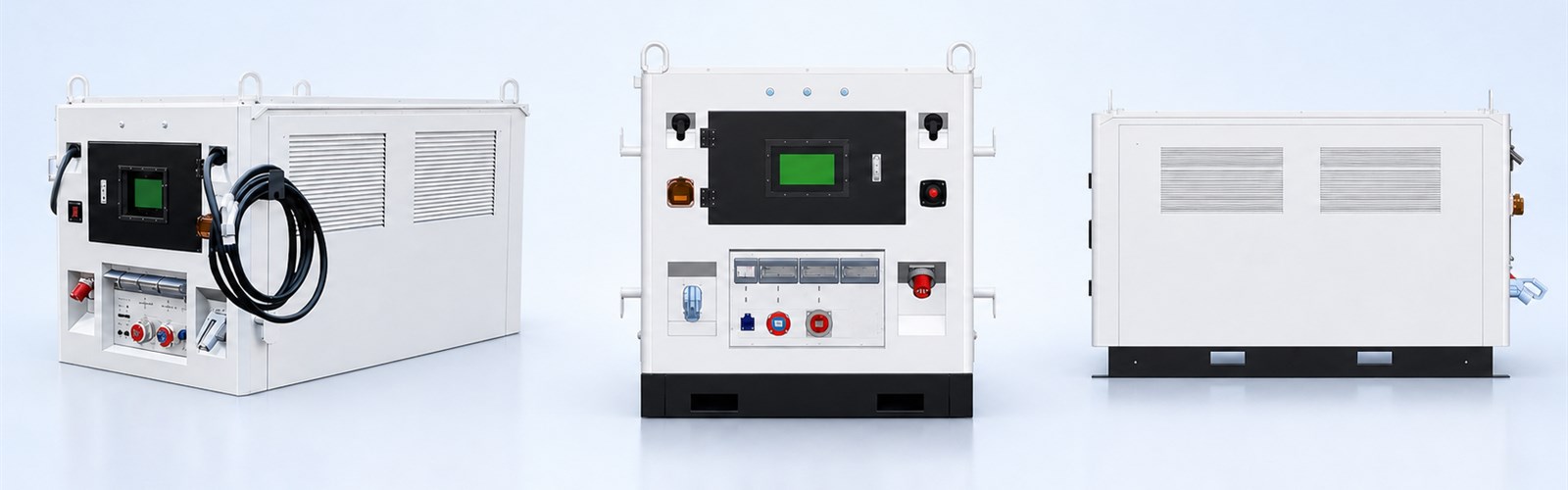
A trailer-mounted battery-integrated charger can move stored energy and DC charging capacity to a temporary depot, fleet yard, construction project, port, airport or emergency deployment. The trailer format adds relocation flexibility, but the charger still has to be engineered around the vehicles, daily energy demand, charging window, recharge source, connector standard and transport rules for the destination market.
LiCharger's current 200 kWh trailer-mounted platform is available with project-specific 120 kW or 180 kW DC output. Both output configurations use dual connectors. Those headline values are a starting point, not a complete project specification.
Use this checklist to prepare the operating and site information needed for a model-specific review.
1. Start With the Fleet Duty Cycle
Begin with what the fleet must accomplish during one operating day. Record:
- vehicle make and model;
- battery size and maximum DC charging acceptance;
- connector type;
- number of vehicles in the operating group;
- energy used by each vehicle per shift;
- arrival, departure and dwell times;
- the number of vehicles that may need charging at the same time; and
- the minimum energy that must be restored before the next departure.
Do not size the project only by multiplying the number of vehicles by their full battery capacity. Most fleet charging events replace energy used during the duty cycle rather than charging every battery from empty to full. The project calculation should also allow for operational reserve, conversion losses and days with higher-than-normal demand.
For a broader operating-cycle framework, review the fleet charging planning guide.
2. Separate 200 kWh of Energy From 120 or 180 kW of Output
Battery capacity and charging output answer different questions:
- 200 kWh describes the nominal stored-energy platform.
- 120 kW or 180 kW describes the project-specific maximum DC output configuration.
Energy capacity influences how much charging work can be supported before the mobile unit itself must be recharged. Output power influences how quickly compatible vehicles may receive that energy. Actual vehicle charging power may be lower because it also depends on the vehicle's charging curve, state of charge, battery temperature, connector configuration and power allocation between outputs.
For that reason, LiCharger does not use a fixed claim such as “charges a certain number of vehicles” without the vehicle list and duty cycle. The same 200 kWh platform can support very different operating patterns depending on how much energy each service event requires.
3. Decide Whether a Trailer Format Fits the Operation
A trailer-mounted charger may be useful when the charging asset needs to move between controlled sites, when permanent infrastructure is delayed, or when more stored energy is required than a compact movable unit can carry conveniently.
Compare the operating format before selecting the equipment:
| Format | Typical planning advantage | Main question to resolve |
|---|---|---|
| Compact movable charger | Easier placement for service vehicles and smaller charging cycles | Is one connector and the available stored energy sufficient? |
| Trailer-mounted charger | Higher stored-energy platform that can be relocated between suitable sites | How will it be transported, positioned, secured and recharged? |
| Fixed battery-integrated charger | Stable placement for a depot or grid-constrained site | Is relocation unnecessary, and what permanent site work is required? |
The trailer format is not automatically the best choice for every temporary project. Access restrictions, towing limits, available parking space and the frequency of relocation may make another format more practical. Compare the formats in our trailer-mounted versus movable charger guide.
4. Confirm Transport, Towing and Site Requirements
Trailer dimensions, total weight, axle loading and towing requirements depend on the final trailer configuration and must be confirmed before transport planning. The project team should review:
- the rated towing capacity and permitted trailer mass for the tow vehicle;
- gross trailer weight and axle-load limits;
- destination-market registration, lighting, braking and road-use requirements;
- route width, height, turning radius and surface conditions;
- loading, unloading and lifting arrangements where applicable;
- stabilisation and level positioning before charging;
- cable routing and protection from vehicle traffic;
- emergency-stop access and safe working clearances;
- weather exposure, drainage and enclosure requirements; and
- parking security and access control.
Road approval in one market does not automatically apply in another. The buyer should confirm local transport and electrical requirements with the responsible authorities and qualified contractors for the destination site.
5. Plan How the Mobile System Will Be Recharged
The integrated battery has to recover enough energy before the next operating cycle. The 200 kWh trailer platform can be configured around a suitable grid input or compatible DC fast-charger input, but the exact input voltage, current, protection and recharge time are project-specific.
Before requesting a quotation, provide:
- available AC voltage, phase, current and continuous power;
- whether a compatible DC charging source is available;
- the hours during which the mobile unit can recharge;
- the maximum energy that must be restored between fleet cycles;
- whether the recharge source is shared with other site loads; and
- the required plug, connector, cable length and local protection arrangement.
A high-output vehicle charging configuration is not useful if the site cannot restore the mobile unit's energy before the next shift. Recharge recovery should therefore be checked together with vehicle charging demand. The grid-constrained site guide explains why the available input remains part of the operating model.
6. Confirm Dual-Connector Type and Power Allocation
The 120 kW and 180 kW trailer configurations both use dual outputs. Connector options for applicable LiCharger models may include CCS1, CCS2, CHAdeMO, GB/T or NACS according to the destination market and final engineering review.
The quotation should state:
- connector type and quantity;
- cable length;
- maximum output for each connector;
- total system output;
- how power is allocated when two vehicles charge simultaneously; and
- compatibility with the specific vehicle models in the fleet.
Do not select the connector from country alone. Confirm it against the actual vehicle inlet and charging protocol. Imported or mixed fleets may use more than one standard. Use the mobile EV charging connector guide when preparing the vehicle list.
7. Keep OCPP Hardware and the Operating Platform Separate
LiCharger equipment can be configured as OCPP 1.6J hardware-ready. This means the charging hardware can be prepared to communicate with a compatible charging-station management system.
It does not automatically include:
- an operator platform;
- SIM or data service;
- payment processing;
- user accounts or mobile applications;
- mapping and dispatch;
- billing rules; or
- a complete remote diagnostics service.
If the fleet needs those functions, identify the local platform provider, required data points, network method, integration responsibility and recurring service costs before production. Read what OCPP 1.6J hardware-ready includes before defining the software scope.
8. Verify Documentation and Acceptance Scope
The confirmed documentation position for the current 200 kWh trailer-mounted platform is CE, UN38.3 and MSDS.
Applicable documentation still depends on the final configuration and destination market. Before shipment, agree which documents and tests are required. A project-specific factory acceptance plan may include:
- visual and assembly inspection;
- battery and charger status checks;
- connector and cable inspection;
- charging-function verification;
- emergency-stop and protection checks;
- communication checks where included;
- output testing under the agreed procedure; and
- review of labels, manuals and shipment documents.
Acceptance criteria should be written into the order specification instead of being decided after production is complete. The supplier evaluation checklist provides a broader procurement framework.
9. Send a Complete Trailer Charging RFQ
To receive a useful project recommendation, send:
- destination country and operating location type;
- vehicle makes, models and battery sizes;
- required connector type;
- number of vehicles per shift;
- energy required per vehicle or per service event;
- arrival, departure and charging windows;
- simultaneous charging requirement;
- available AC or DC recharge input;
- frequency and distance of trailer relocation;
- tow vehicle and known transport limits;
- environmental and site-access conditions; and
- required delivery date and documentation scope.
This information lets the engineering team compare output configuration, connector count, recharge recovery and transport requirements before confirming the final trailer specification.
Frequently Asked Questions
How many vehicles can a 200 kWh trailer-mounted charger support?
There is no responsible fixed number without the fleet duty cycle. The result depends on energy delivered per vehicle, operating reserve, conversion losses, vehicle charging curves and how much energy the mobile unit can recover between shifts.
Should a fleet choose 120 kW or 180 kW output?
The choice depends on the vehicle's DC acceptance, available charging window, connector count and required power allocation. A higher headline output does not shorten every charging event if the vehicle or operating conditions limit charging power.
Can two vehicles charge at the same time?
Yes. Both the 120 kW and 180 kW project configurations use dual connectors. The connector type, per-output limit and simultaneous power allocation must be stated in the final quotation.
Can the trailer be towed on public roads?
Road use depends on the final trailer dimensions, mass, axle and braking configuration, tow vehicle and destination-market rules. Confirm the final trailer specification and local registration or permitting requirements before planning public-road transport.
Does OCPP 1.6J hardware-ready include fleet billing and dispatch software?
No. The hardware can be prepared for integration with a compatible platform, but billing, dispatch, mapping, SIM service, applications and operator subscriptions require a separately agreed platform scope.
How long does it take to recharge the mobile unit?
Recharge time is configuration- and site-specific. It depends on the usable input power, starting state of charge, protection limits and the energy that must be restored. Send the available voltage, phase, current, operating hours and any compatible DC input so the recovery window can be reviewed.
Request a Trailer Charging Project Review
Send the vehicle list, connector, daily energy, charging window, available recharge input, destination and towing constraints. LiCharger can then review whether the 200 kWh trailer-mounted platform, a compact movable charger or a fixed battery-integrated system is the better starting point for the project.
Review fleet and logistics charging solutions and confirmed project references, then send the project brief for an engineering review.